
Hotel Slipper RFQs: Reconcile Pairs and Pieces
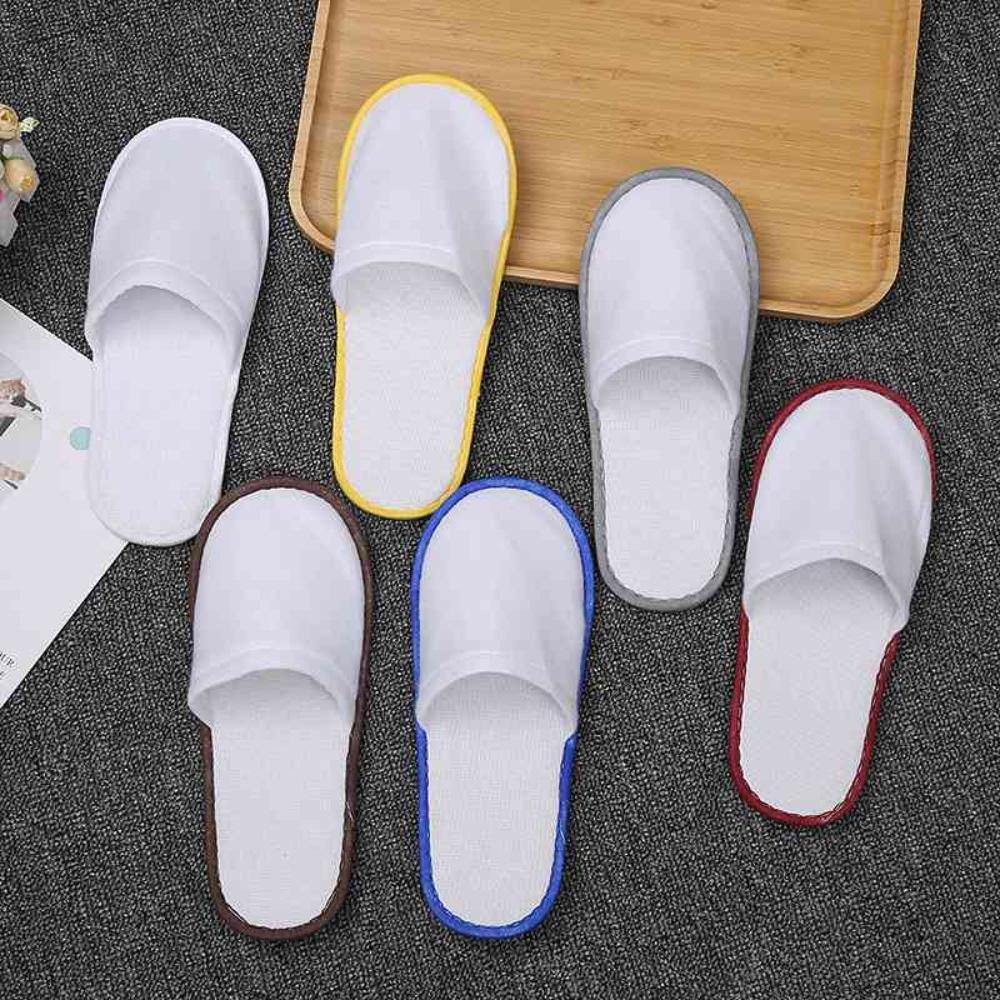
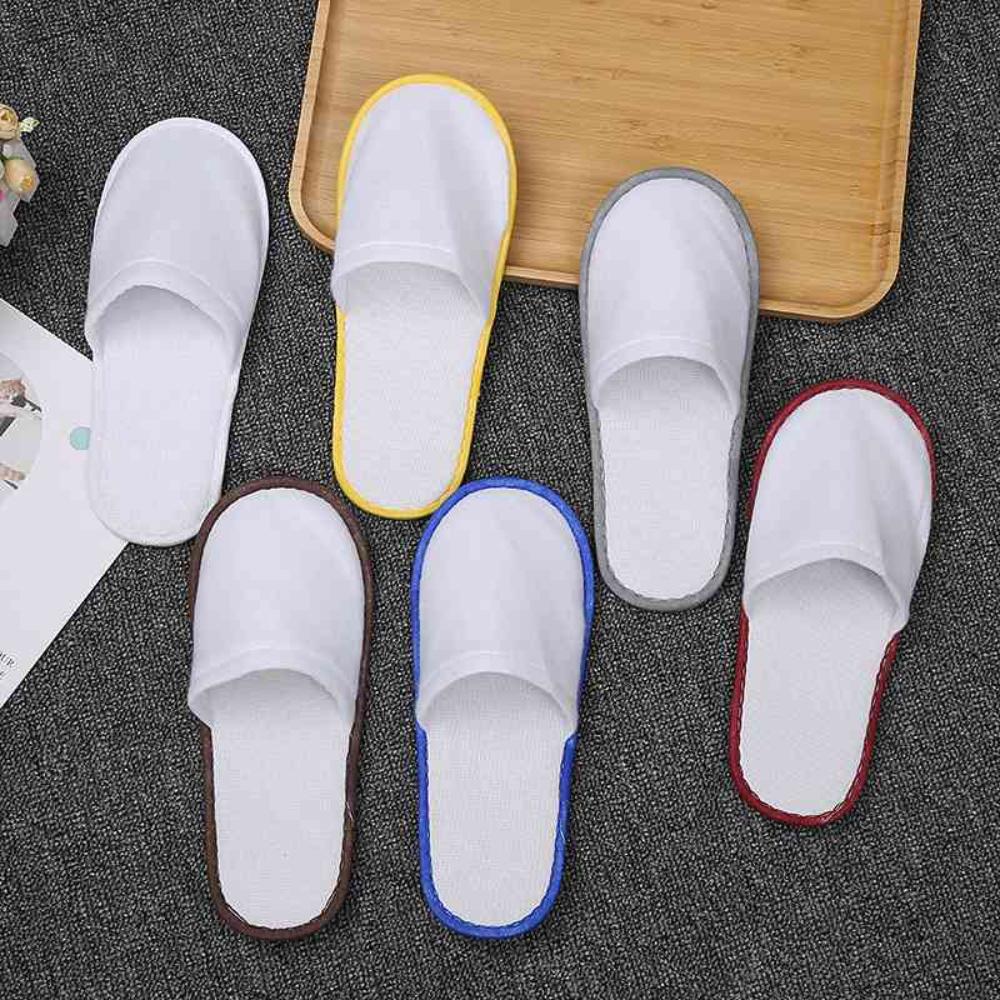
Write a hotel slipper RFQ with a clear counted unit before entering quantities. Distinguish individual slippers from pairs, and ask what a guest pack or carton actually contains. Reconcile those definitions line by line before comparing quotations. A styled photograph of several slippers does not state the selling unit, the available assortment or the supplier’s packing count.
A hotel may request a quantity in pairs while a response uses pieces or cartons. The totals can look similar yet describe different supplies. Hongshanshu’s catalogue views provide product references for an enquiry, but the purchasing document still needs an explicit counting basis. The output here is a quantity schedule, separate from handling a physical guest-pack sample.
Write the counted object in the enquiry line
Put the exact selected model and a buyer code beside the quantity. State whether the request is counted as individual slipper pieces or as pairs. When pair is used, make clear that the line concerns the confirmed matching pair of the selected version. Do not use a broad pack label as a shortcut for an unknown contents list.
Keep construction and variant identity attached to the count. Pieces from different sizes or selected binding colours should not be silently combined to satisfy a pair total. The catalogue arrangement shows appearances that can be discussed; it does not establish which combinations are available, whether they can be mixed or how the supplier sells them.
Official catalogue reference: Disposable non-woven slipper reference.
Define the guest presentation unit separately
Ask the supplier what one proposed guest pack contains for the selected item. Record whether its stated quantity refers to the slipper contents, the wrapping unit or another agreed presentation. Keep any requested insert or separate accessory in its own contents field. A single outer item can otherwise conceal several different counting interpretations.
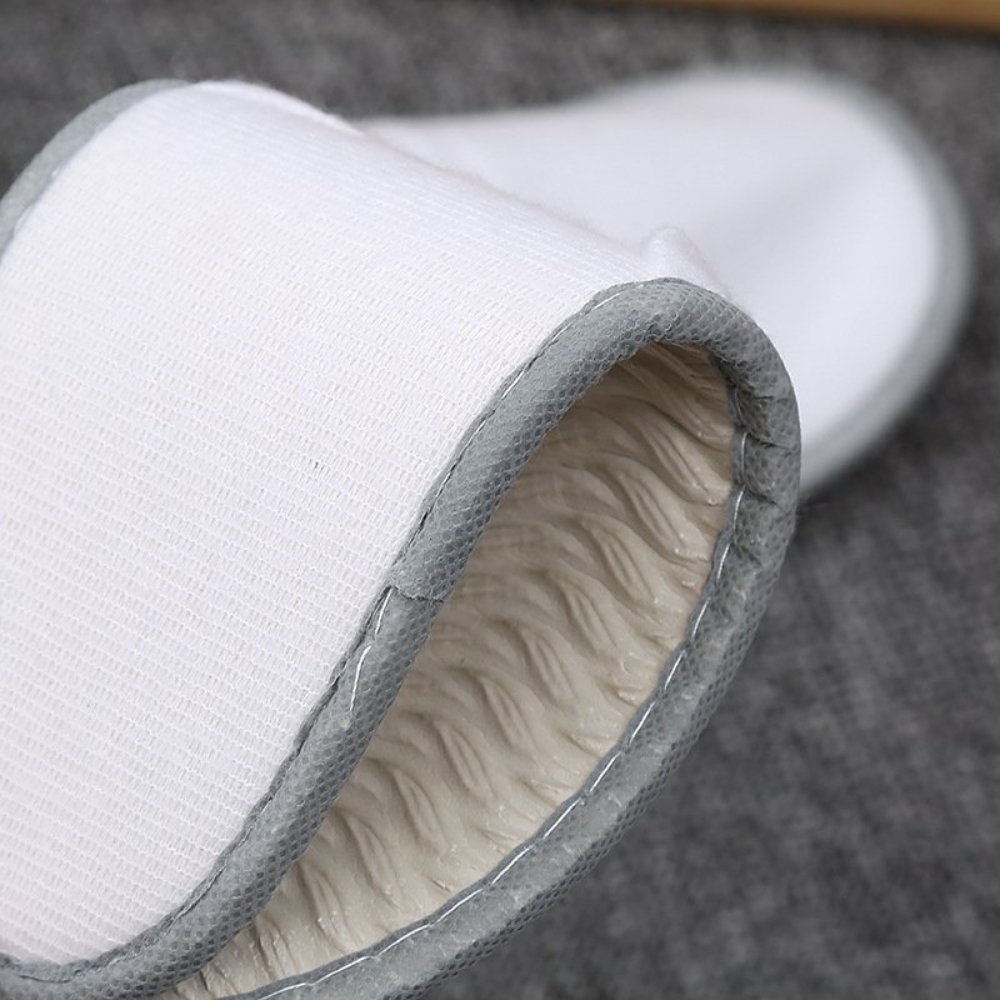
Do not infer a bag, band, insert or sales bundle from a product-only photograph. If the supplier offers a guest presentation, request the contents definition before applying its pack count to the order. A later physical packing review can examine the arrangement. The quantity record answers what is counted, rather than claiming that a particular pack has been inspected.
- Selected model and variant per line
- Pieces or confirmed matching pairs
- Guest-pack contents stated separately
- Carton contents confirmed by supplier
Reconcile the supplier’s counting basis
Ask the supplier to repeat the unit name beside the offered quantity. Where it uses a different basis, request an explicit conversion tied to the confirmed contents. Keep the original requested figure visible so a proposed change can be reviewed. Avoid replacing the request with the supplier’s number while leaving the change unexplained.
At every level, distinguish the number of containers from the contents in each. A carton count requires supplier-confirmed contents for that specific version; there is no universal hotel-slipper carton quantity in this guide. The schedule below separates the relevant fields without supplying a fictional stock pack size or an available order configuration.
| Quantity level | Record | Unresolved question |
|---|---|---|
| Slipper piece | Exact counted object | Which variant? |
| Pair | Confirmed matching contents | How are members identified? |
| Guest pack | Contents and presentation-unit count | What is actually included? |
| Carton | Confirmed contents per carton | Does the reply use the same basis? |
Keep variants and alternatives outside one unexplained total
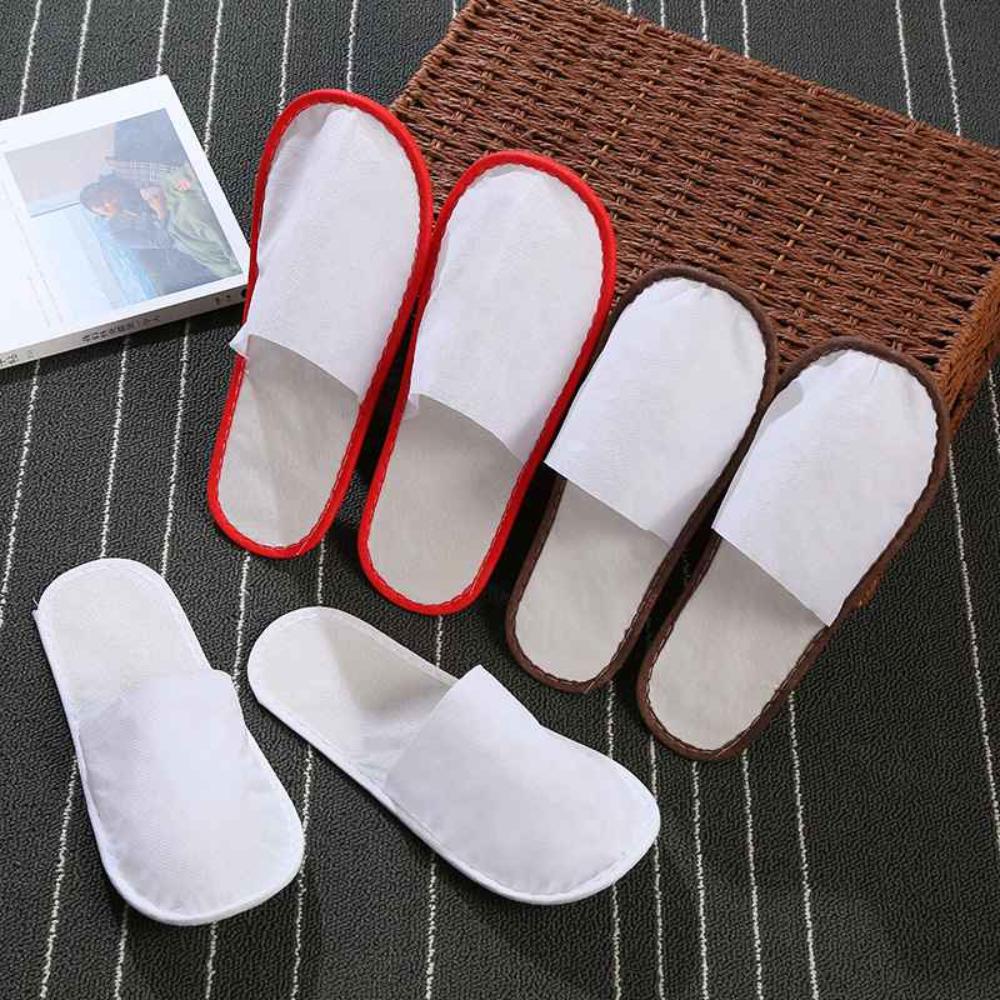
Use separate lines where the model, size or chosen appearance differs. If a supplier proposes an alternative construction, give the proposal its own identity and record how the counted unit changes, if it does. A similar white appearance is not enough to establish the same supplied pair or the same commercial packing basis.
Reconcile any combined total back to its line quantities and stated units. Do not combine sample quantities, display examples and commercial order quantities into one number. When one field remains unresolved, leave it pending. Purchasing should be able to identify precisely which part of the response prevents a comparable total rather than marking the entire schedule confirmed.
Carry one quantity definition into the confirmed order
Retain the agreed unit definitions, contents statements and supplier response with the quotation revision. Make the relevant identifiers available to receiving staff so that cartons, guest packs and slipper contents are not confused during reconciliation. Record a shortage or a different offered combination against the agreed line rather than silently changing the counting basis.
Ask for current commercial terms only after the contents and quantities are clear. This article states no minimum order quantity, price, stock availability or delivery promise. It also does not approve package protection or product performance. Those are separate requirements; the purpose of the quantity schedule is to make the commercial request and response describe the same counted objects.
Frequently Asked Questions
Does a photo of several slippers define an assortment pack?
No. Ask what the quoted unit contains and which variants the supplier actually offers. A display arrangement is not a commercial contents statement.
Can a carton quantity be copied from another model?
Use the confirmed information for the exact selected item and packing version. A different construction or presentation can require a different contents statement.
Does this schedule approve the physical packaging?
No. It defines quantities and contents. Review the proposed physical pack separately and keep that decision linked to the same item identity.
For a product-specific enquiry, Disposable non-woven slipper reference is the catalogue starting point. Read the supplier blog and contact the supplier with the references and open questions described above.