
Hotel Slipper Reorders: Compare Two Revisions
Review a hotel slipper reorder against an identified earlier reference and a clearly identified new offer. List what the supplier says is unchanged, what has changed and what remains unconfirmed. Link any affected product or packing field to the required review evidence. A familiar appearance or repeated product name does not establish that the earlier approval covers every part of the new offer.
An existing approved pair is useful only when the later enquiry can be traced to it. A hotel may request another order under the same broad slipper name while the supplier offers a revised construction or presentation. This guide builds a change-impact record between two versions. It does not repeat the broader process of approving an initial sample for the first time.
Identify both records before discussing a change
Locate the earlier product code, approved reference and relevant quotation or order revision. Ask the supplier to identify the new offered model in the same record. If the earlier reference cannot be found, mark that gap explicitly. A remembered colour or a catalogue nickname is not enough to establish which previous version the reorder should match.
Keep the earlier record intact when attaching current photographs or documents. A new image should not overwrite the evidence used for the previous decision. Both references need to remain identifiable so that a reviewer can see whether the discussion concerns the same construction, a changed variant or another proposed item with a similar appearance.
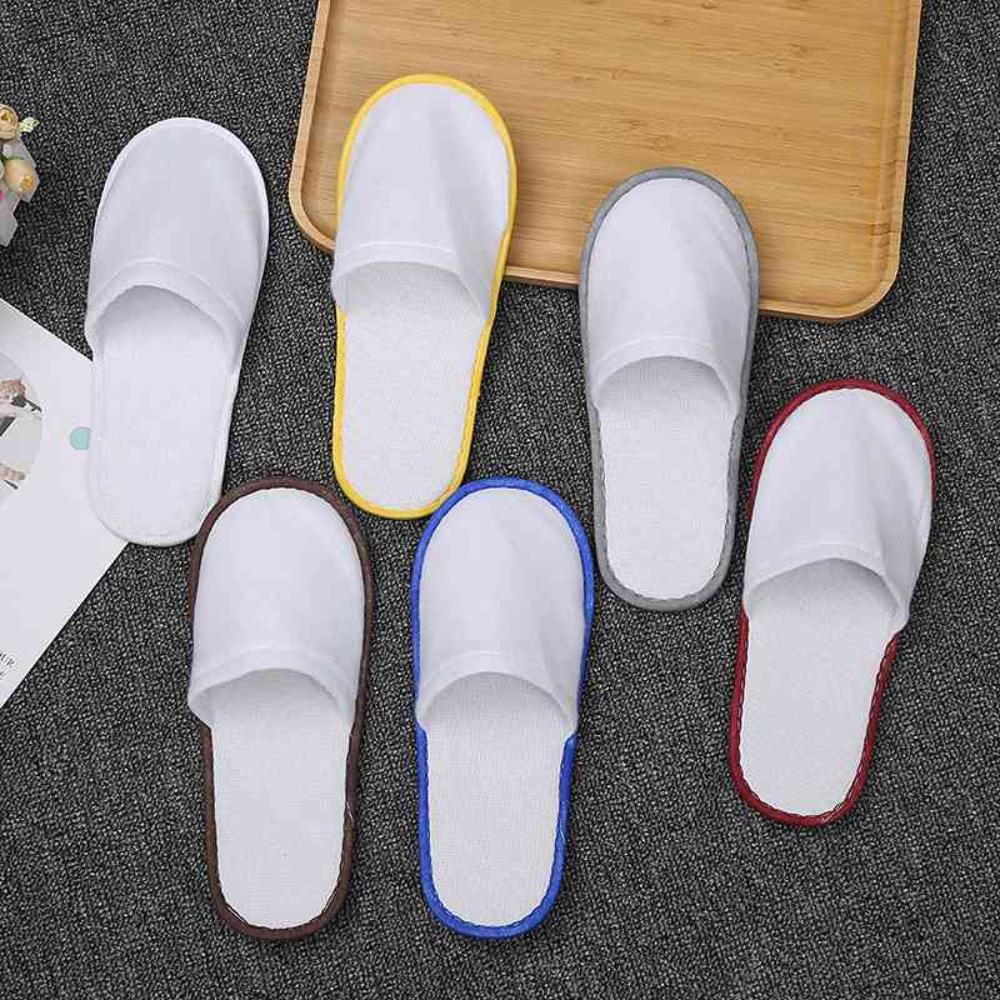
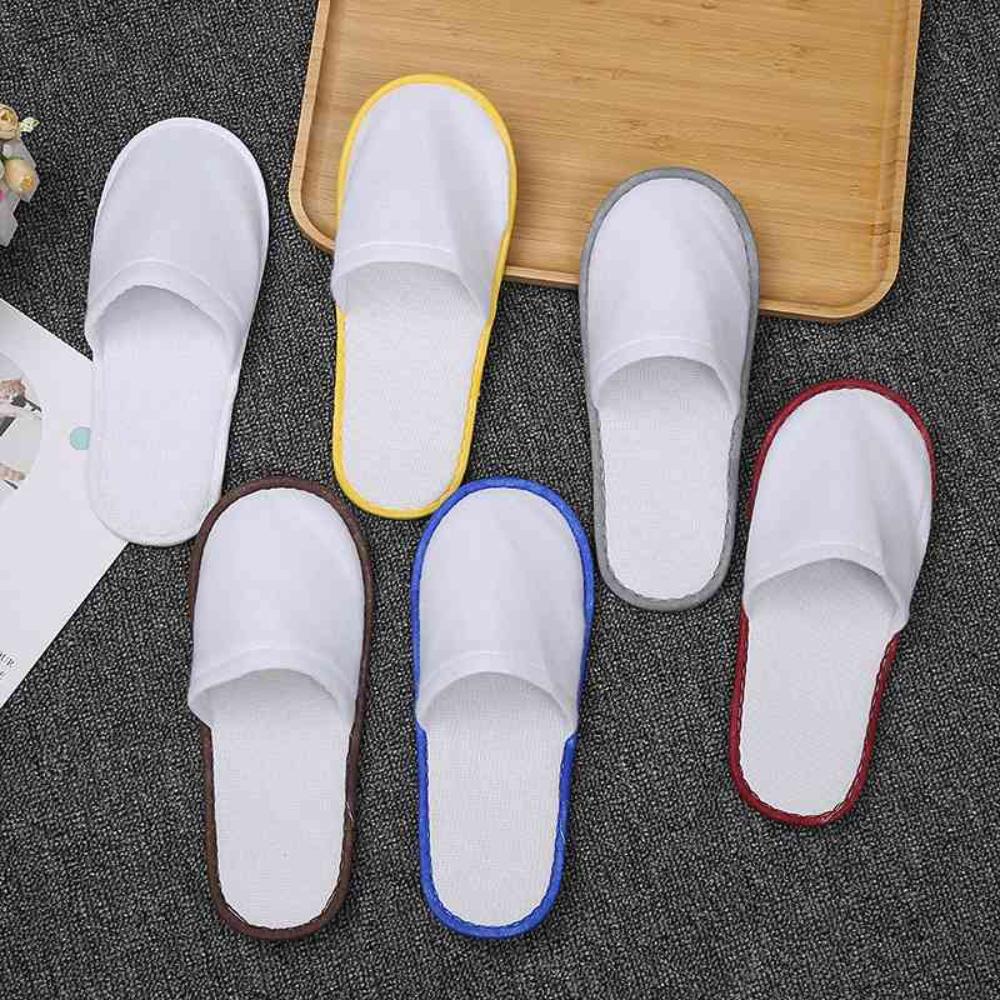
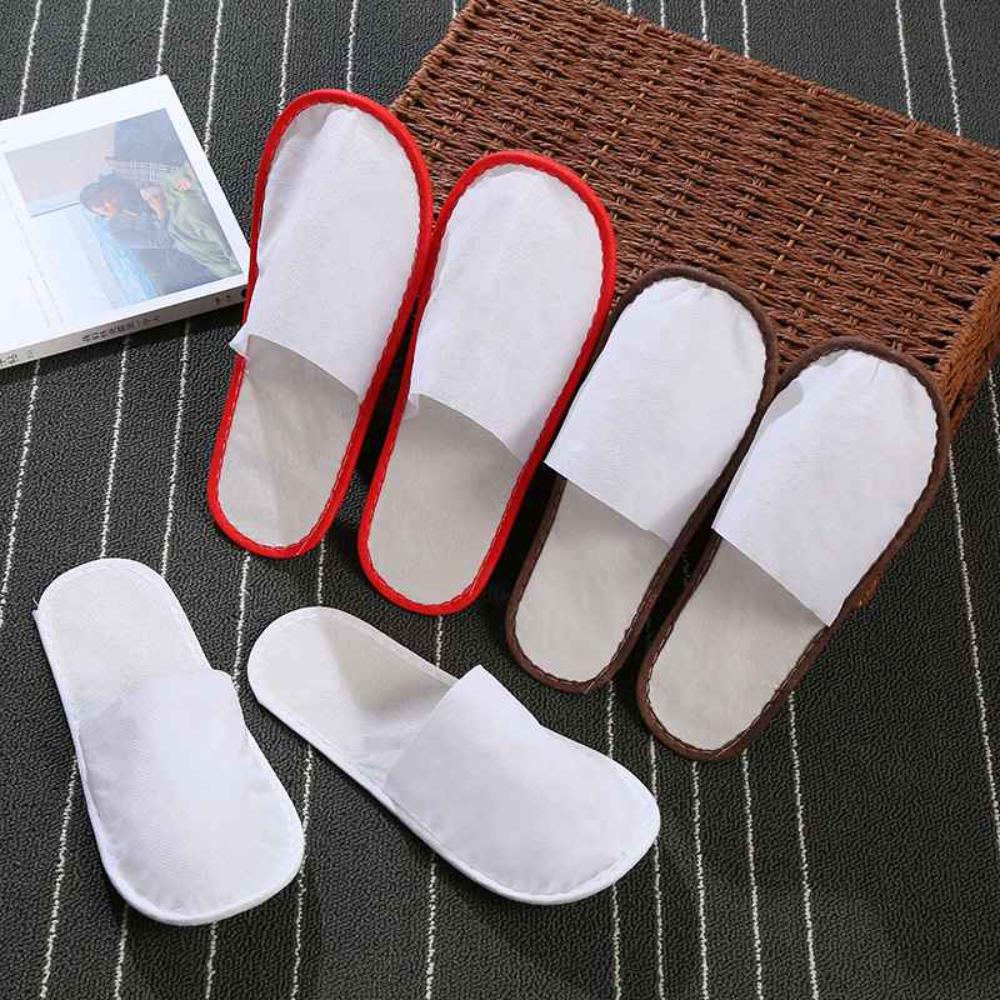
Official catalogue reference: Extra-thick disposable slipper catalogue reference.
Separate declared unchanged fields from verified observations
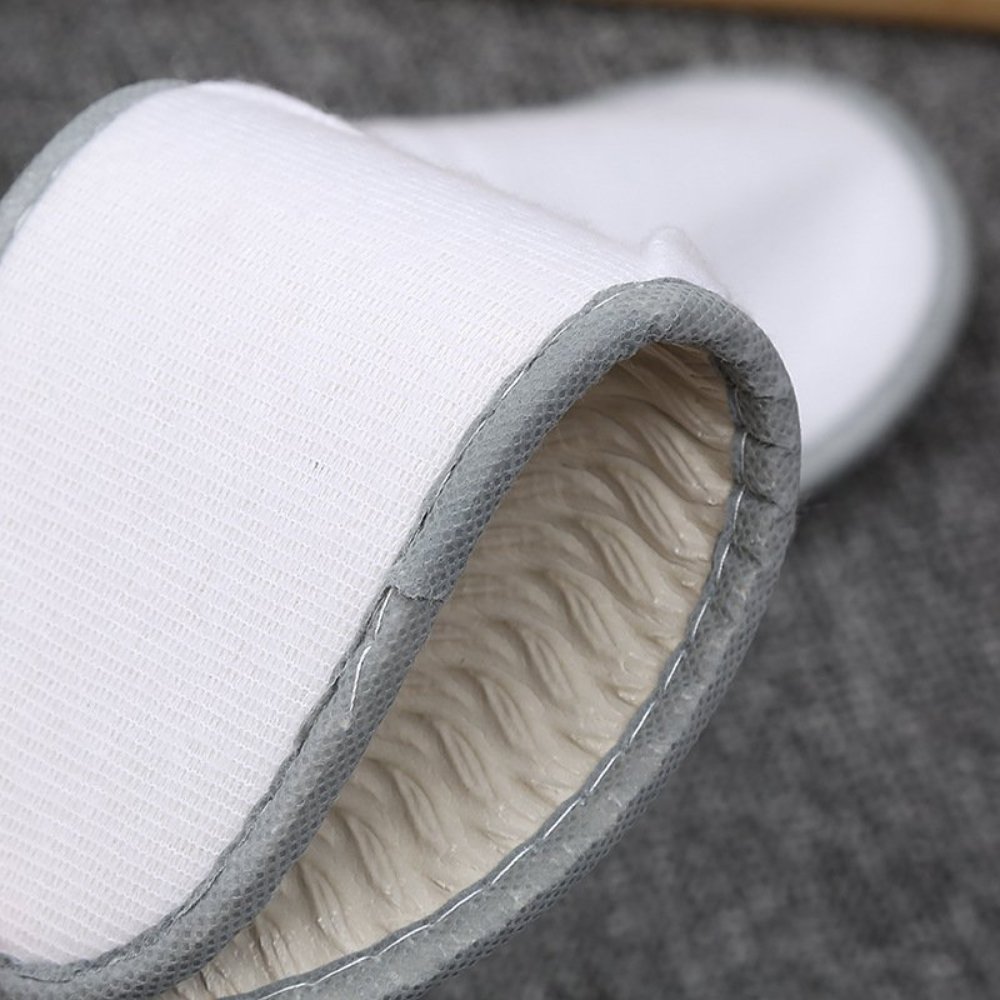
Ask the supplier to state which relevant fields it considers unchanged. Identify the upper, binding, sole information and any presentation field as applicable to that model, without inventing a hidden component list from the photograph. Retain the exact scope of the response rather than translating a broad statement such as same as before into detailed confirmations it never contained.
Use a separate column for the buyer’s review evidence. A supplier declaration and an observation on an identified sample are different records. Where no supporting view, document or sample is available, mark the field pending. This makes a limited response more useful than a complete-looking comparison filled with assumptions about unobserved construction.
- Identified earlier and new versions
- Changed, unchanged and pending fields
- Evidence linked to each affected decision
- Final current revision retained beside history
Name each changed field and its consequence
For a stated change, identify the affected feature and ask which reference should replace it in the current order. A changed binding colour, a revised upper description or another packing identifier can require different evidence. Do not treat one accepted change as permission to substitute the entire product or to update every related field automatically.
Keep product changes and presentation changes distinguishable. A revised pack description does not itself establish that the slipper construction changed, while a new construction should not remain hidden behind old package wording. The matrix below records the relationship between a proposed change and its review question; it contains no claim that these changes have occurred in a supplier’s current stock.
| Comparison field | Supplier statement | Buyer review record |
|---|---|---|
| Product reference | Same or different offered model | Identity confirmed or pending |
| Named construction feature | Unchanged, changed or unconfirmed | Applicable view or document |
| Packing identity | Current presentation reference | Affected wording or contents review |
| Final decision | Acknowledged current scope | Accepted evidence and open fields |
Request evidence only for the affected decision
Ask for the document, identified view or sample observation needed to address the specific changed field. An appearance change can need a revised visual reference, while a dimensional definition may need its own labelled measurement response. Retain the connection between that evidence and the offered version so it cannot be confused with another catalogue example.
Do not turn a change record into proof of safety, slip resistance, material composition or durability. If the reorder includes a requirement in one of those areas, ask for appropriate product-specific information separately. A repeated product name and a familiar photograph do not transfer a performance claim or a previous document to an unidentified new version.
Release the new revision without erasing the old one
Record the outcome for each field: accepted for the stated evidence, another response needed, or a different sample requested. Keep unresolved fields visible before the order is confirmed. Retain the final model, the comparison and the current purchasing revision together so that receiving staff know which version the new shipment is expected to represent.
Ask the supplier to acknowledge the final scope and provide current commercial terms for that version. Do not assume that an earlier quantity condition, price or delivery arrangement remains valid. The earlier record remains a history of its own approval; the new change-impact record explains what was retained or reconsidered for this particular reorder.
Frequently Asked Questions
Does the same catalogue name prove the same construction?
No. Link the earlier reference to the exact new offer and request the scope of any unchanged declaration. Similar names and appearances leave that question open.
Must every change reopen the entire approval?
Identify the affected fields and request evidence for those decisions. Do not extend a narrow acceptance to unrelated features that were not reviewed.
Should the new version overwrite the previous record?
Keep both identifiable. The earlier reference explains its original decision, while the current revision shows what was retained, changed or left unresolved for the reorder.
For a product-specific enquiry, Extra-thick disposable slipper catalogue reference is the catalogue starting point. Read the supplier blog and contact the supplier with the references and open questions described above.